Knead buckwheat dough with pure spring water from Oshino Hakkai — one of Japan's most celebrated natural springs at the foot of Mt. Fuji. Roll, cut, and savour the clean, delicate flavour of soba the way it was meant to taste.
Nature lovers who want to taste Mt. Fuji's spring water in edible form
Japanese food enthusiasts who want to understand the craft behind soba-making
Families with children — rolling and cutting soba is tactile and fun for all ages
UNESCO heritage travellers drawn to the Mt. Fuji region's natural and cultural legacy
Couples & solo travellers seeking a calm, refined cultural food experience
Groups up to 80 people — corporate outings, school trips, and group tours welcome
About Soba
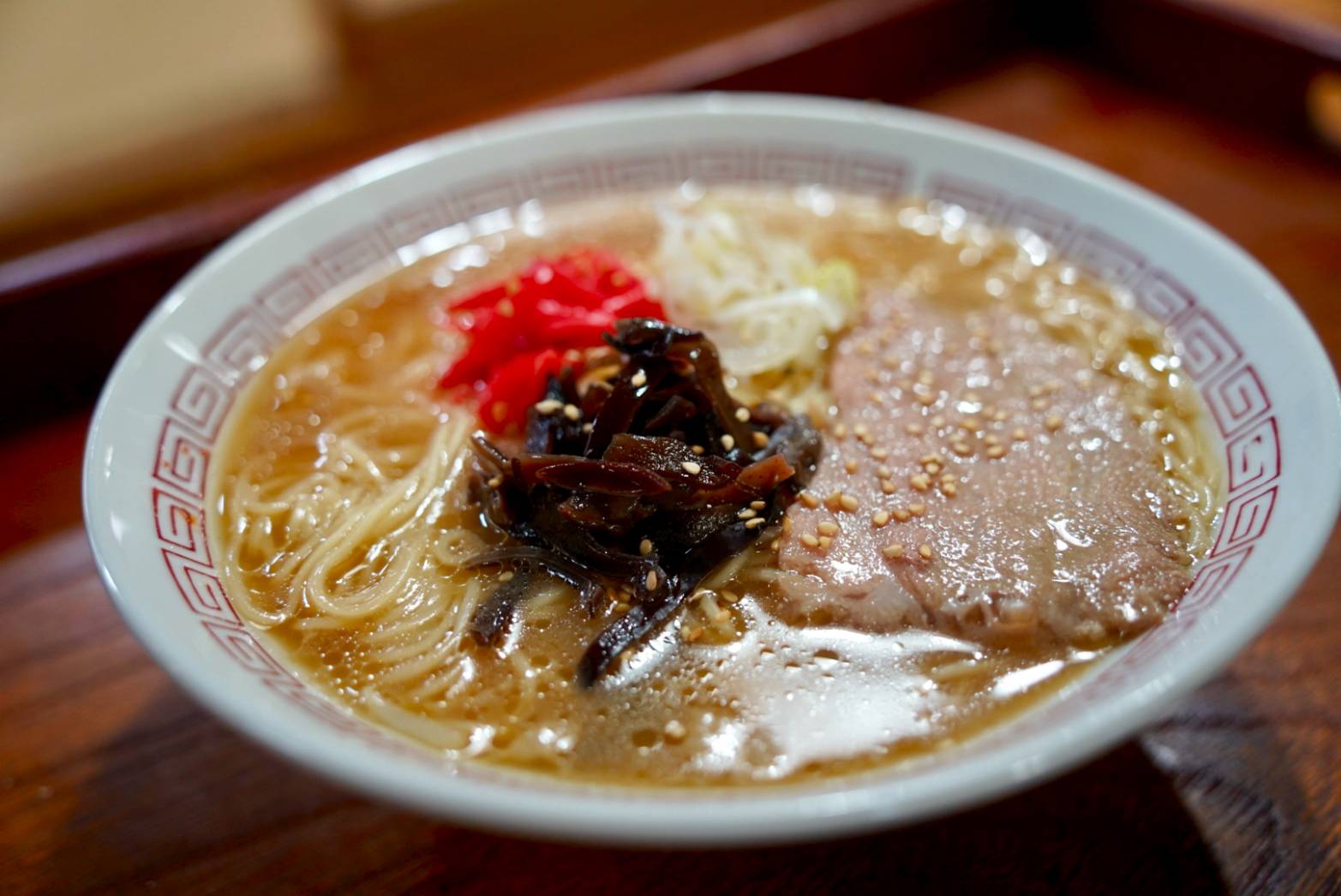
Oshino Hakkai Soba — A Bowl That Tastes of Mt. Fuji Itself
Thin buckwheat noodles — made from ~50% buckwheat flour
Made with pure Mt. Fuji spring water — filtered underground for 80+ years
Mix, knead, roll, cut — ~90–120 min to your bowl
Oshino Hakkai Soba is a traditional soba culture nurtured by the purest water in Japan. One bowl, and you'll taste why this spring water — filtered through volcanic rock for over 80 years — transforms simple buckwheat into something extraordinary.
Did you know? — The water behind the flavour
Oshino Hakkai (忍野八海)
A group of eight spring-fed ponds in Oshino village, Yamanashi — a UNESCO World Heritage Site component and Natural Monument of Japan. Snowmelt from Mt. Fuji filters underground through volcanic rock for over 80 years before emerging as crystal-clear spring water.
Why water makes all the difference
Water makes up about half the weight of soba dough. Its mineral content, softness, and temperature directly affect the texture, aroma, and flavour of the noodles. Mt. Fuji spring water is naturally soft and mineral-rich — it helps buckwheat proteins bond smoothly, producing noodles with a silky texture and clean earthy aroma that is impossible to replicate with tap water.
Why This Soba Is Unlike Any You've Had
4 Things That Make This Soba Special
Pure Mt. Fuji Spring Water
Sourced from Oshino Hakkai — water that is exceptionally clear, soft, and mineral-rich after 80+ years of underground filtration. This water enhances the aroma and flavour in a way nothing else can replicate.
Handmade Buckwheat Noodles
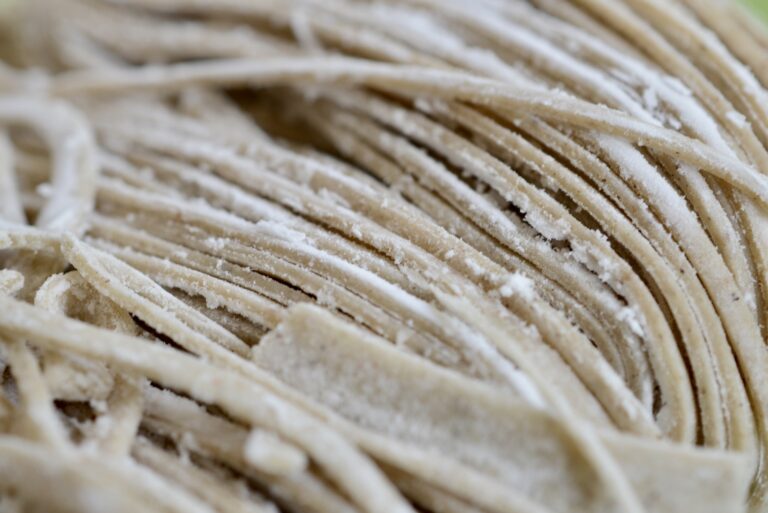
About 50% buckwheat flour, combined with wheat and binders for the right texture. Hand-rolled to about 2.3mm thick — thin, delicate, and slightly translucent when held to the light.
Simple Japanese Toppings
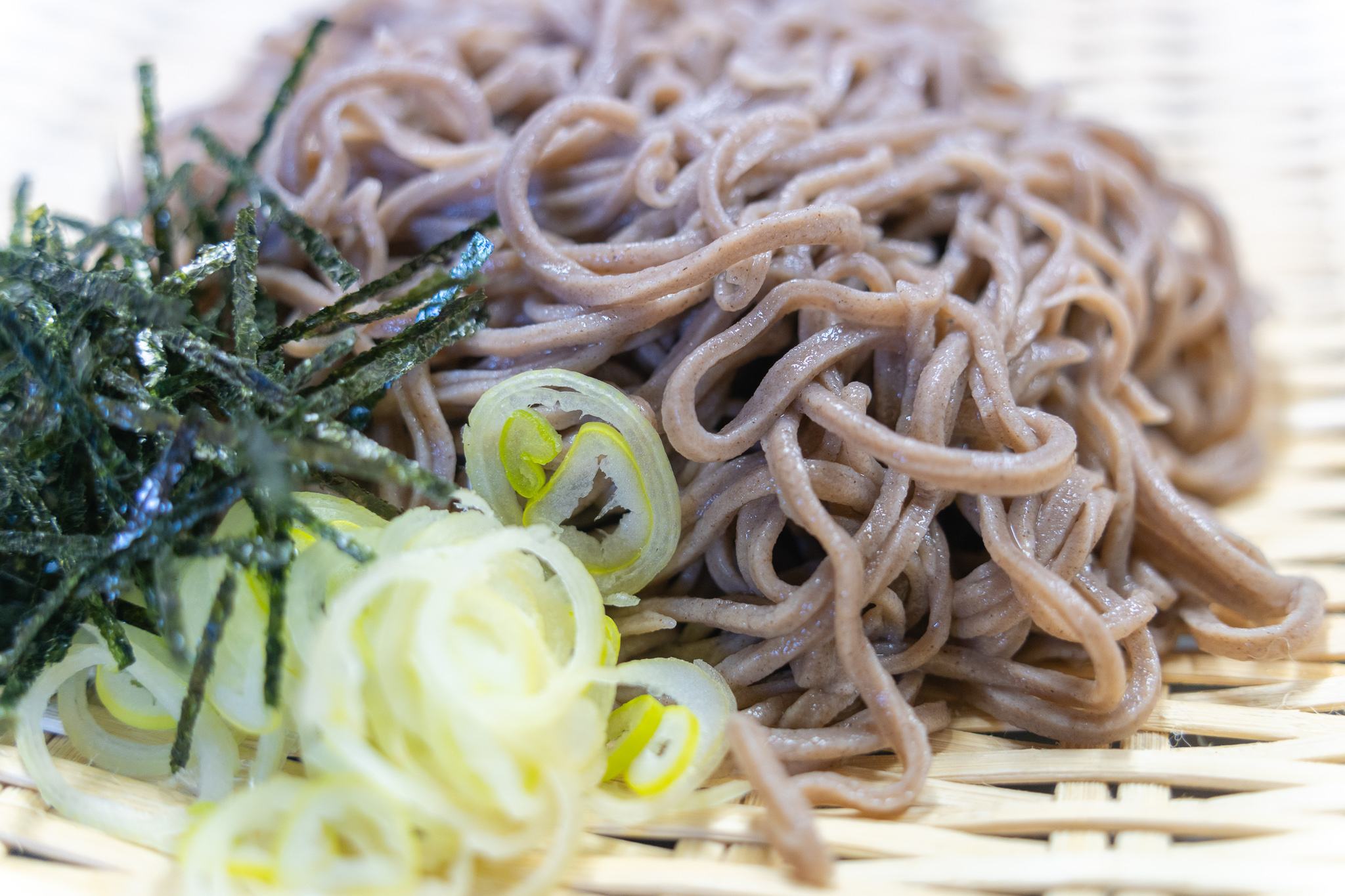
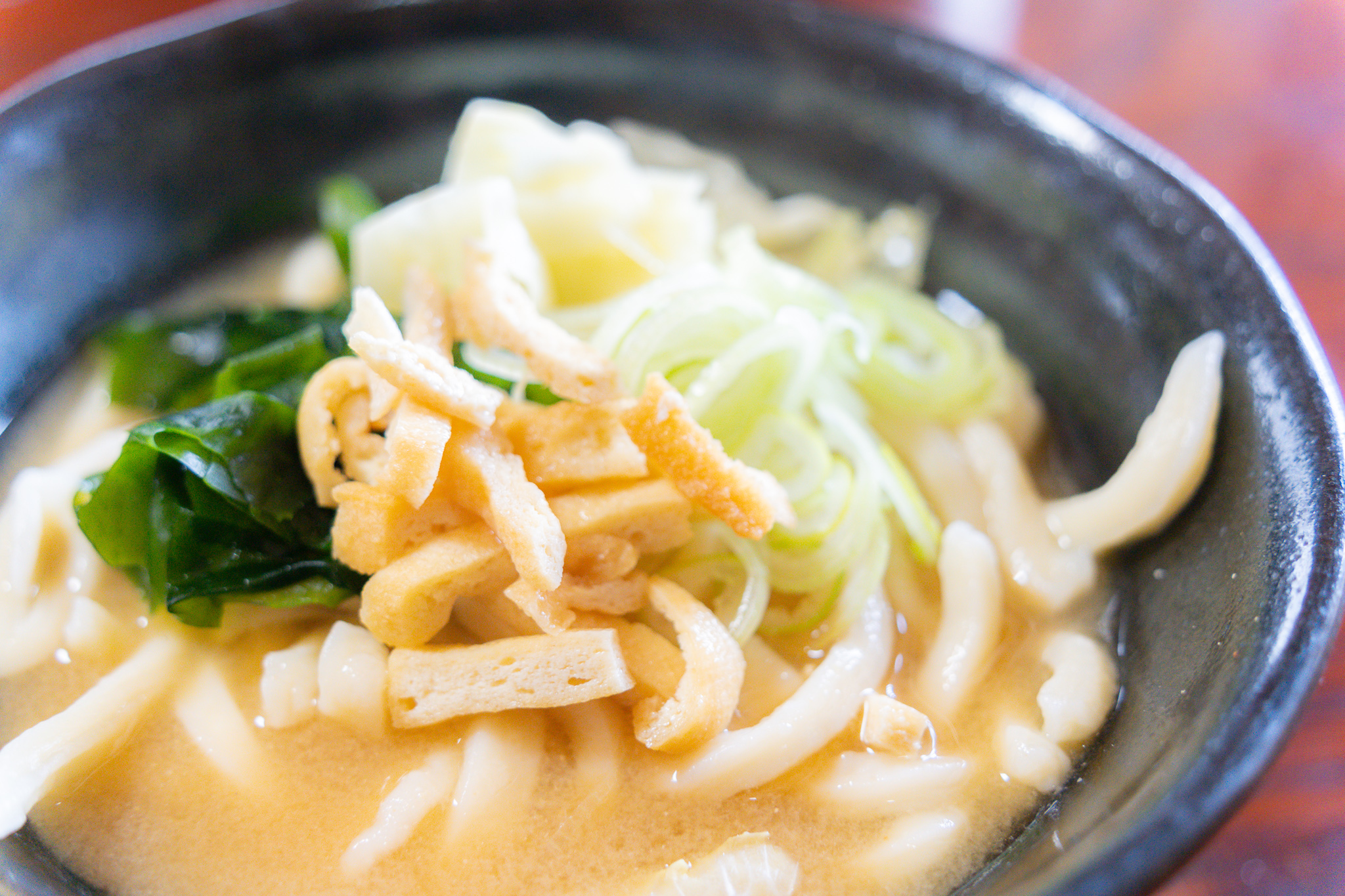
Green onion, wasabi, shredded nori (dried seaweed), and tempura flakes — toppings chosen to enhance rather than overpower the clean, earthy buckwheat flavour. The simplicity is the point.
Soba & Japanese Culture
Loved in Japan since the Edo period (1600s–1800s). Traditionally eaten on New Year's Eve for longevity. Always slurped — the sound shows appreciation and draws out the aroma. A living cultural ritual in every bowl.
Plans & Pricing
Choose Your Soba Experience
All plans include hands-on soba-making with English guidance. Tap any plan card to see full details and book.
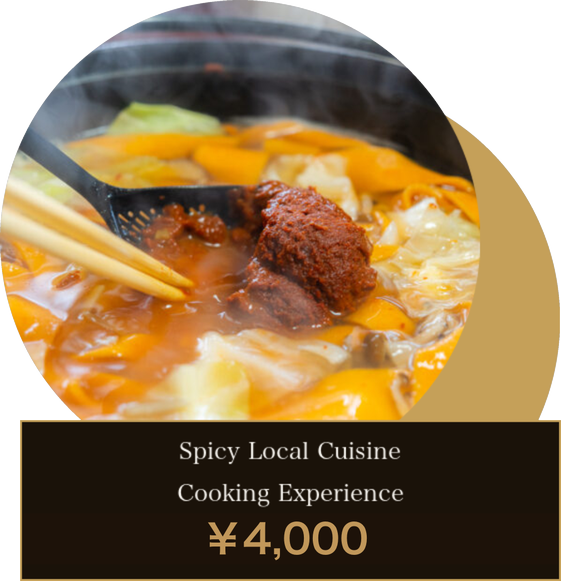
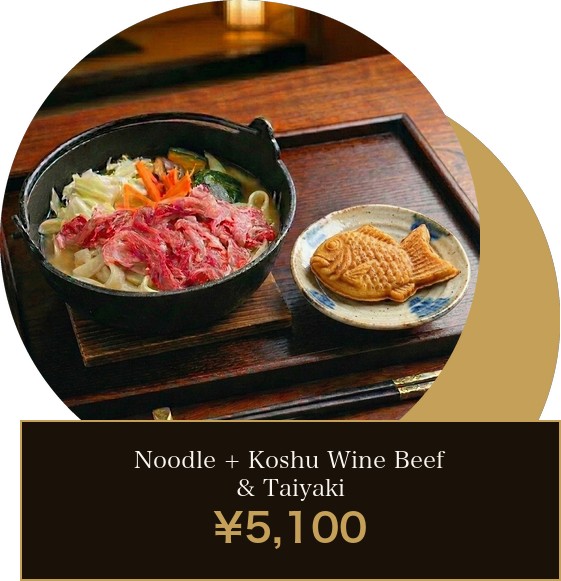
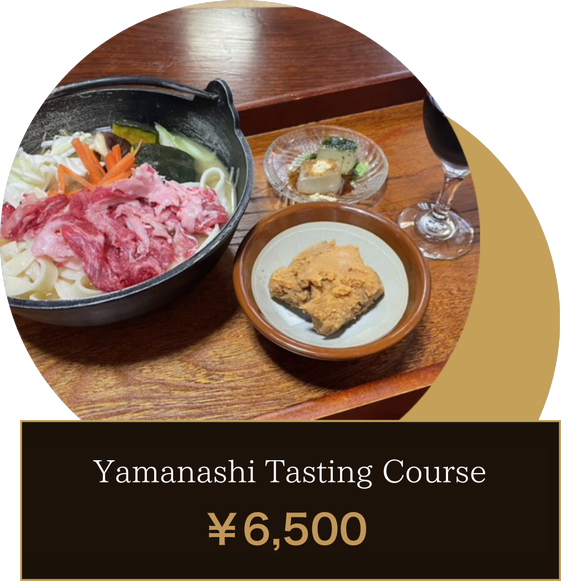
Also availableStandard Soba Course — ¥3,700 / personOshino Hakkai Soba-making with pure Mt. Fuji spring water + eat on-site. Served chilled with a warm dipping broth, plus a shared soup of your choice (spicy mala or Wine Beef sukiyaki).
Prices per person. Groups of 10+ may have separate group rates — please enquire. All plans include soba-making guidance in English and cooking materials. Noodle choice (Hōtō / Udon / Soba) available on combo plans.
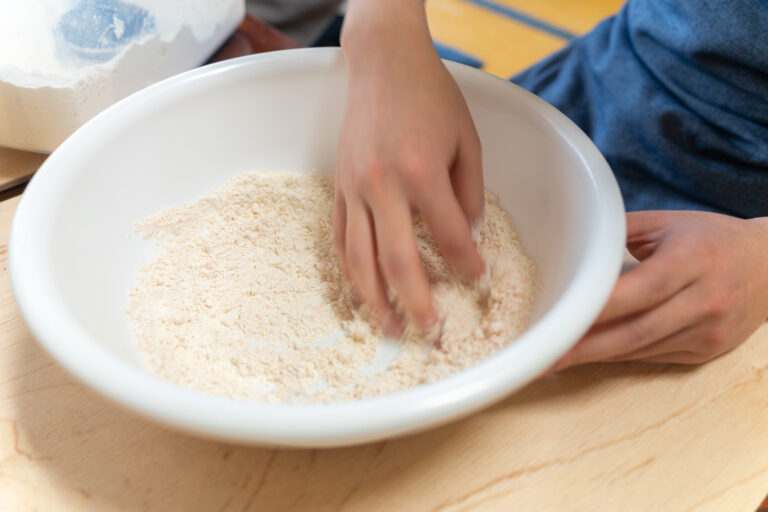
Measure 150g of buckwheat flour and add pure Mt. Fuji spring water gradually. Mix quickly by hand until the flour forms small clumps and is fully combined.
2
Knead the Dough
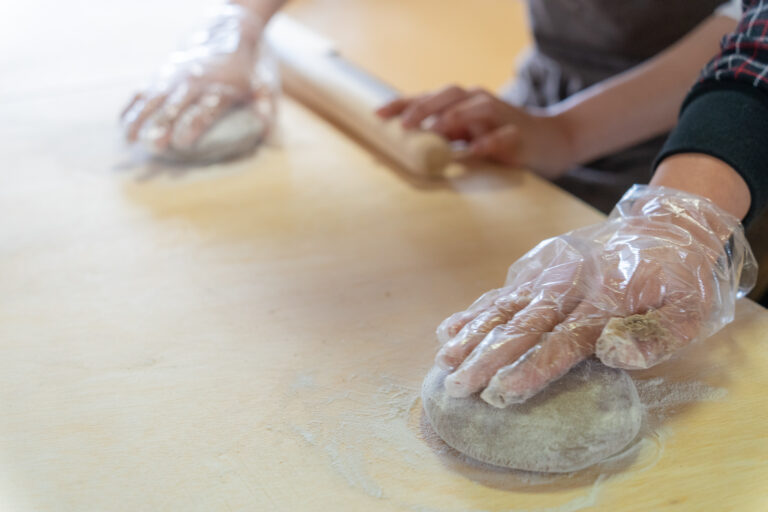
Press firmly with the palm of your hand — use your body weight if comfortable. Knead until all dry spots disappear and the surface becomes smooth and consistent.
3
Roll the Dough
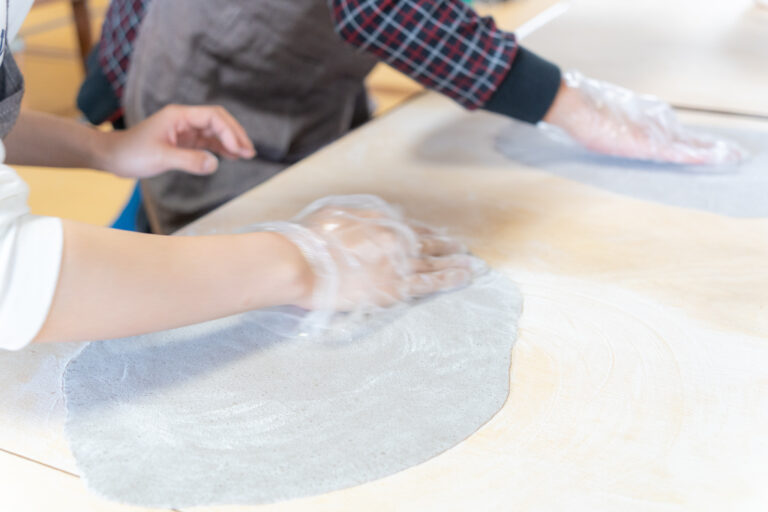
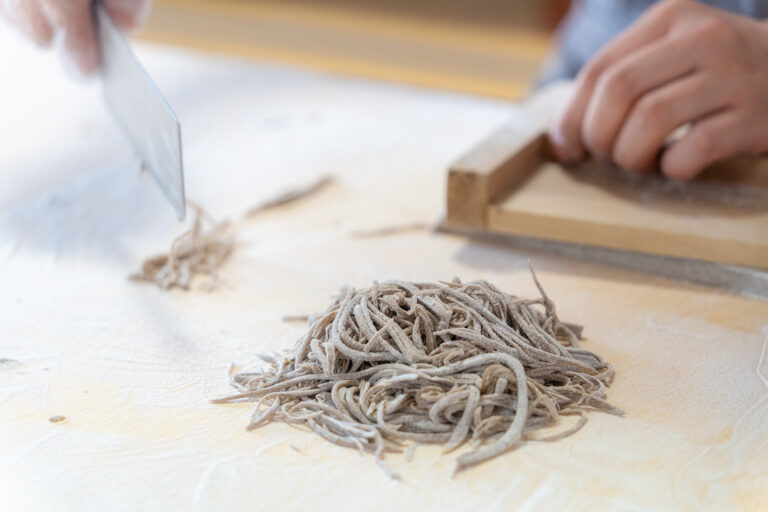
Dust the board lightly and stretch the dough into a very thin, even sheet — about 2.3mm thick. A square shape helps keep noodle lengths consistent.
4
Cut the Noodles
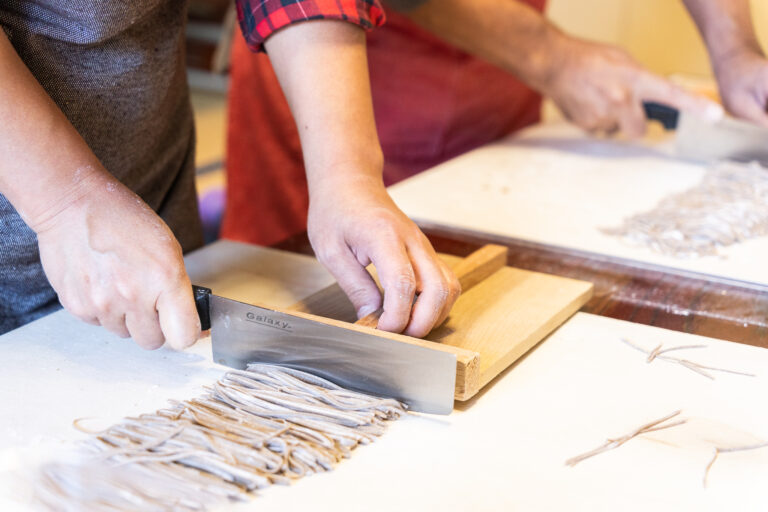
Fold gently and cut into thin, even strips using a knife with a chopstick as your width guide. Soba noodles should be thin, delicate, and uniform.
5
Cook the Noodles
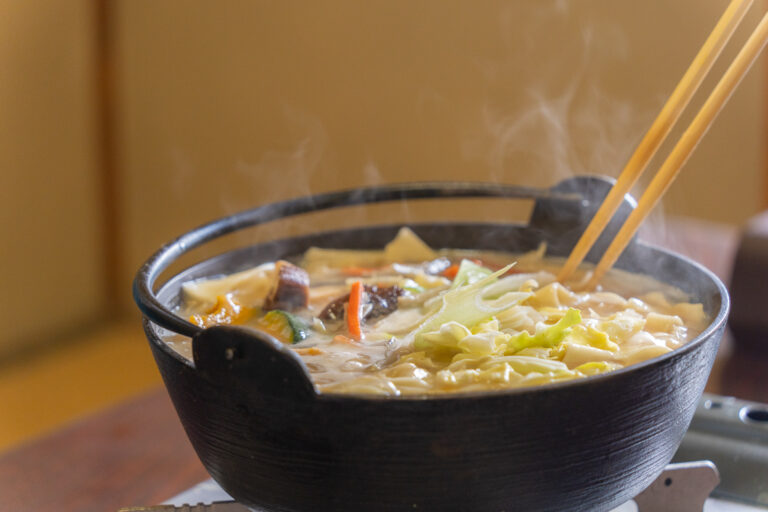
Staff boil your soba in about 3 minutes. Served chilled with a warm dipping broth, plus one soup of your group's choice (spicy mala or Wine Beef sukiyaki) to dip or simmer.
6
Enjoy Your Soba
Itadakimasu — the Japanese way of saying "let's eat"! Slurp your soba — it enhances the aroma. Taste the difference that 80+ years of volcanic filtration makes in every bite.
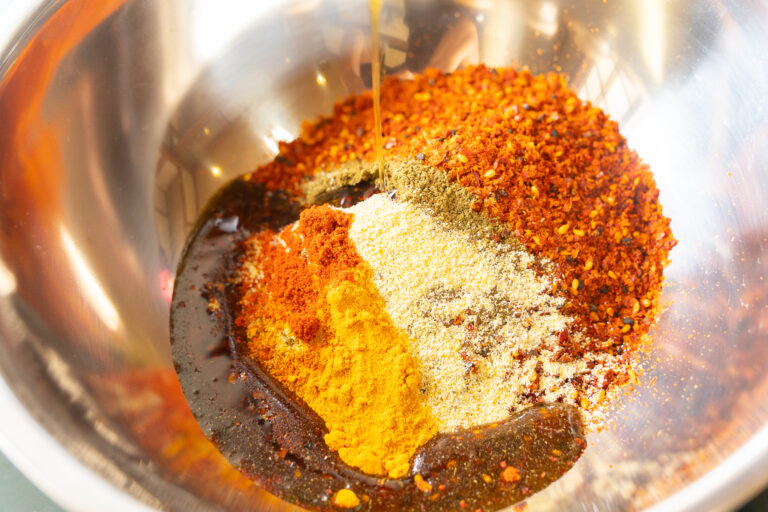
Add Suridane — Our Signature Spice
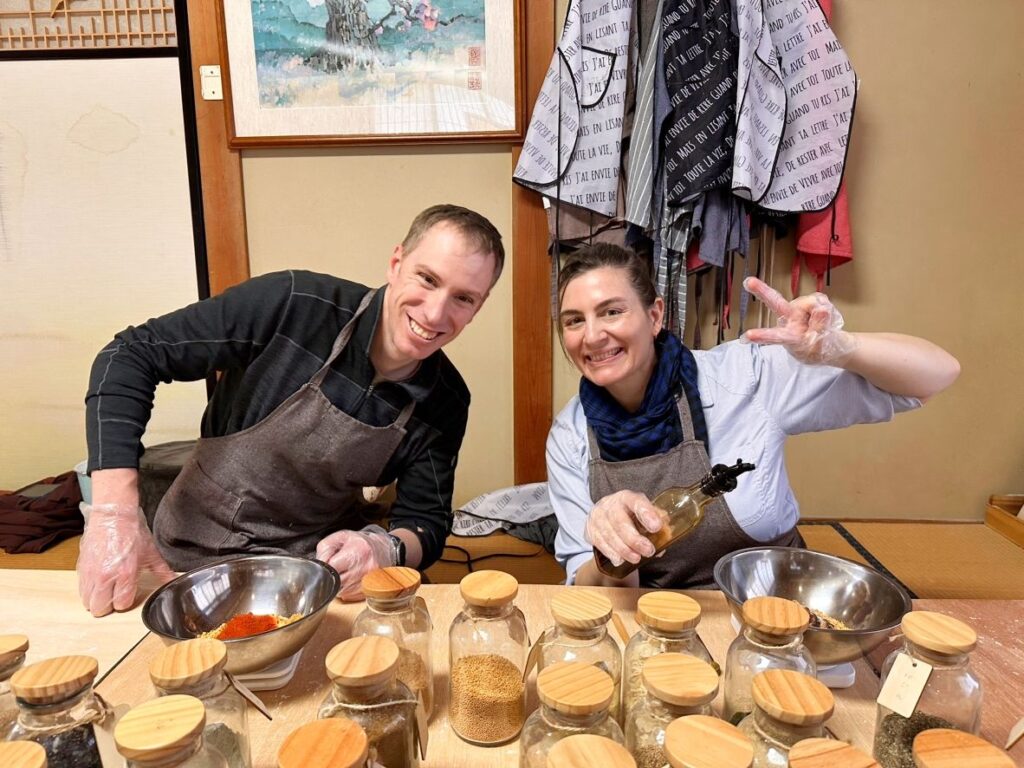
Suridane is Fujiyoshida's legendary chili paste — red pepper, sesame, and sansho (Japanese mountain pepper) fused in oil. A small spoonful pairs beautifully with soba's clean buckwheat flavour, adding warmth and umami that transforms the bowl. You can make your own and take a bottle home.
FAQ
Frequently Asked Questions
Oshino Hakkai Soba is traditional buckwheat soba made with pure spring water from Oshino Hakkai — eight crystal-clear ponds at the foot of Mt. Fuji, listed as a UNESCO World Heritage component. The exceptional softness and mineral richness of this spring water (filtered underground for over 80 years) produces soba with a clean, delicate flavour and smooth texture that reflects the natural heritage of the Mt. Fuji region. Regular soba made with tap water simply cannot replicate this.
The full experience — mixing, kneading, rolling, cutting, cooking, and eating — takes approximately 90 minutes, or 120 minutes for plans with premium add-ons. Soba noodles cook quickly (about 3 minutes), so the majority of your time is spent enjoying the hands-on craft of making them. All plans are relaxed and self-paced; our staff guides you every step of the way.
Yes. Full English support is available at FUJIYA. Our staff guide you through every step in English and provide printed step-by-step instructions in English. No Japanese language ability is required.
Walk-ins are welcome and accepted. However, we strongly recommend booking in advance if you're visiting with 4 or more people, or during peak seasons such as Japan's national holiday week (Golden Week, late April–May), summer holidays, or autumn foliage season (October–November). Book via our contact page or LINE (Japan's leading messaging app) for the fastest response.
Oshino Hakkai (忍野八海) is a group of eight spring-fed ponds in Oshino village, Yamanashi Prefecture. Listed as a UNESCO World Heritage Site component and a Natural Monument of Japan, the springs are fed by snowmelt from Mt. Fuji filtered underground through volcanic rock for over 80 years. The water is crystal-clear, soft, and rich in minerals — ideal for making soba.
Water makes up about half the weight of soba dough, so its mineral content, softness, and temperature directly affect the texture, aroma, and flavour of the noodles. Mt. Fuji spring water is naturally soft and mineral-rich, helping buckwheat proteins bond well and producing noodles with a smooth texture and clean earthy aroma. It's the kind of difference you notice from the very first bite.
Your soba is served chilled, with a warm dipping broth. Each group also chooses one soup — spicy mala or Wine Beef sukiyaki — and you can dip your noodles in it or simmer them. Our staff will show you the best way to enjoy it — including the correct way to slurp.
Absolutely. Soba-making is popular with families. Children particularly enjoy the rolling and cutting stages. Our staff will assist younger participants. Please note that soba contains wheat flour — let us know of any allergies when booking.
Yes — surprisingly well. Suridane is Fujiyoshida's signature chili spice blend — red pepper, sesame, and sansho (Japanese mountain pepper) in oil. A small amount added to your broth or dipping sauce brings rich umami and gentle heat that complements soba's clean earthy flavour beautifully. Suridane is also available to purchase as a souvenir.
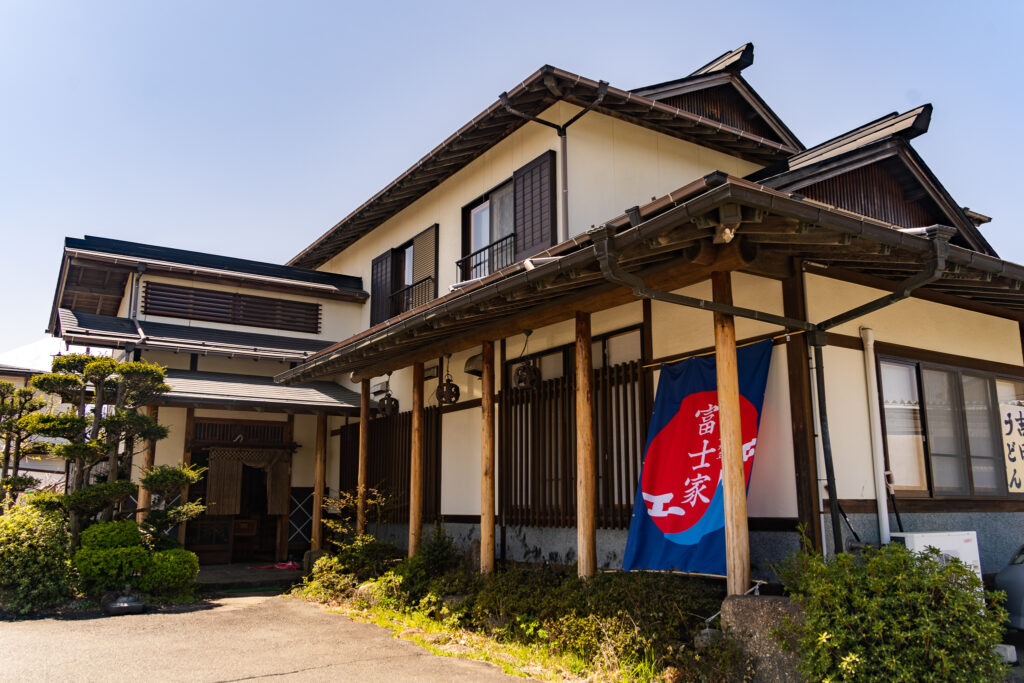
FUJIYA is located in Kawaguchiko (Lake Kawaguchi), Yamanashi Prefecture — about 90 minutes from Shinjuku Station by direct highway bus. From Kawaguchiko Station, we are approximately a 12-minute walk. Parking is available on-site for guests arriving by car.